

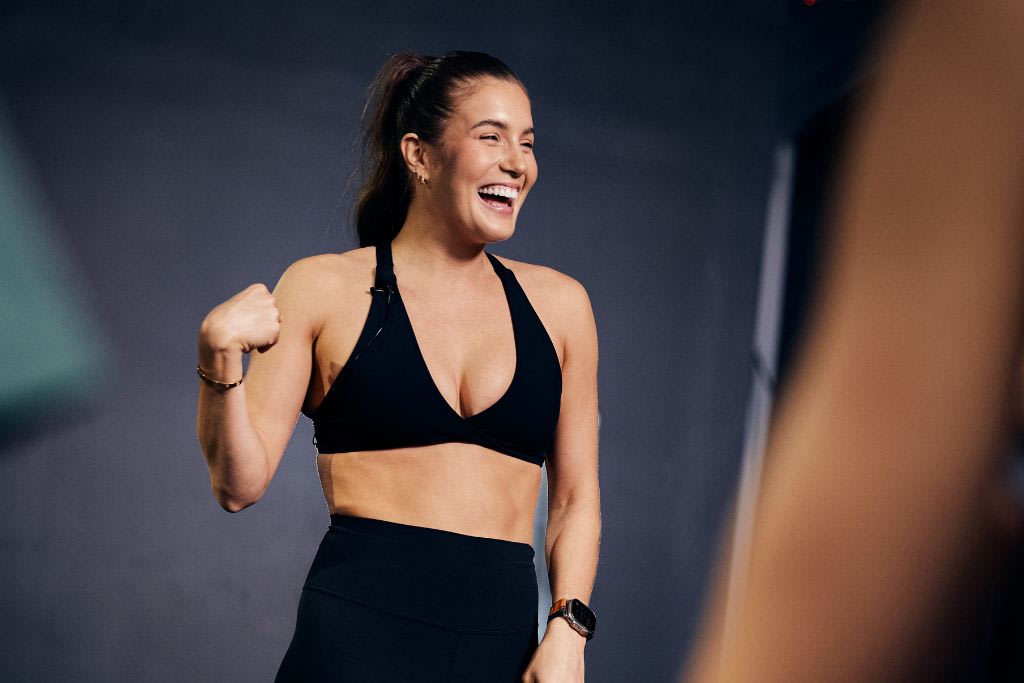
Physical movement is often framed as a tool for aesthetic transformation or cardiovascular health. While these physical outcomes are valuable, one of the most profound effects of consistent physical activity is psychological. Movement shapes self-perception, alters neurochemistry, and builds genuine self-efficacy. When you learn to trust your body to perform tasks, handle stress, and recover from exertion, your internal narrative shifts from self-doubt to confidence. Building this mindset requires intentional training methods that prioritize mastery, body awareness, and measurable progress over arbitrary external standards.
The Psychological Connection Between Movement and Self-Efficacy
Self-efficacy refers to an individual’s belief in their capacity to execute behaviors necessary to produce specific performance attainments. In the context of fitness, every completed repetition, conquered mile, or mastered skill acts as direct, tangible evidence of your capability.
Physical activity stimulates the release of neurotransmitters, including dopamine, serotonin, and endorphins, which regulate mood, reduce anxiety, and foster a sense of accomplishment. Beyond the immediate neurochemical boost, progressive physical training conditions the brain to tolerate discomfort. When you voluntarily subject yourself to the challenge of a heavy lift, a steep incline, or a complex coordination drill, you teach your nervous system that physical and psychological stress is manageable. This resilience carries over directly into daily life, professional challenges, and interpersonal relationships.
Establishing Process-Oriented Goals Over Outcome-Oriented Metrics
A primary reason individuals struggle with confidence in fitness environments is an over-reliance on superficial metrics like body weight, body fat percentage, or clothing size. These metrics fluctuate due to hydration, hormonal shifts, and genetic factors, often leading to frustration and eroded confidence.
-
Focus on Performance Milestones: Instead of aiming to lose a specific number of pounds, set a goal to perform your first unassisted pull-up, hold a sixty-second plank with perfect form, or run a continuous mile without stopping. Performance milestones provide clear, objective feedback on your physical growth.
-
Track Skill Acquisition: Learning a new motor pattern, such as a barbell clean, a yoga arm balance, or a kettlebell snatch, forces cognitive engagement and rewards patience. Mastering a technical movement creates a deep sense of competence that external metrics cannot replicate.
-
Measure Consistency Rather Than Intensity: Grade your weekly success by the number of planned movement sessions completed rather than how exhausted you feel afterward. Fulfilling a promise to show up three or four times per week builds self-trust, which is the foundational layer of confidence.
Mastering Foundational Movement Patterns
Confidence begins with physical competence. The human body is designed to move across seven fundamental patterns. Developing strength and coordination within these patterns ensures you feel capable, stable, and pain-free in any athletic or everyday scenario.
The Squat Pattern
Squatting develops the quadriceps, glutes, and core while reinforcing hip and ankle mobility.
-
Begin with bodyweight box squats to learn proper depth and hip mechanics without strain.
-
Progress to goblet squats, holding a dumbbell or kettlebell against your chest to reinforce an upright torso and deep core engagement.
-
Advance to front or back barbell squats as your movement mechanics, spinal stability, and lower-body strength improve.
The Hinge Pattern
The hip hinge is the foundation of powerful posterior chain movements and protects the lower back during lifting tasks.
-
Practice Romanian deadlifts with light dumbbells to master pushing your hips backward while maintaining a flat back.
-
Progress to conventional barbell deadlifts, trap-bar deadlifts, or kettlebell swings to generate power through the glutes and hamstrings.
-
Focus on keeping the spine neutral and driving through the heels on every repetition.
The Push and Pull Patterns
Upper body push and pull exercises balance shoulder health, improve posture, and create physical strength in daily tasks.
-
Pushing Movements: Develop horizontal pushing with push-ups and dumbbell bench presses, and vertical pushing with standing overhead presses.
-
Pulling Movements: Counteract rounded shoulders by performing chest-supported rows, inverted bodyweight rows, and lat pull-downs or pull-ups.
The Lunge and Locomotion Patterns
Unilateral movements and locomotion address muscular imbalances, improve dynamic balance, and enhance athletic agility.
-
Incorporate forward, reverse, and lateral lunges to challenge stabilizing muscles around the hips and knees.
-
Add loaded carries, such as farmer walks or suitcase carries, to build grip strength, shoulder stability, and full-body resilience.
Overcoming Gym Anxiety and Environmental Intimidation
Entering a gym or fitness class can feel intimidating, particularly for beginners or those returning after a long hiatus. This phenomenon, often called gym intimidation, stems from the spotlight effect, a psychological bias where individuals overestimate how much others are noticing their appearance or actions.
-
Arrive With a Written Plan: Walking onto a gym floor without a clear objective increases hesitation and self-consciousness. Write down your exact exercises, sets, reps, and rest periods on your phone or a notebook before entering the facility.
-
Claim Your Space: Choose an area of the gym where you feel comfortable, gather the dumbbells or equipment you need, and set up your station. Having a defined physical space creates a sense of ownership and control over your session.
-
Wear Functional, Comfortable Attire: Prioritize workout clothing that supports your movement without requiring constant readjustment. Feeling physically comfortable in your gear eliminates unnecessary self-distractions.
-
Use Music or Audio Cues: Listening to an energetic playlist, an educational podcast, or an audiobook can help create a focused internal environment and drown out distracting background noise.
Building Postural Awareness and Nonverbal Confidence
The way you hold your body during movement directly influences your hormonal profile and internal emotional state. Slumped posture, shallow breathing, and averted eyes reinforce feelings of insecurity, whereas an open, aligned posture signals competence to your brain and to those around you.
-
Practice the Neutral Spine Reset: Stand tall with your feet hip-width apart. Roll your shoulders back and down, align your ears directly over your shoulders, and draw your belly button slightly inward. Practice this alignment between sets to reinforce confident body language.
-
Implement Controlled Diaphragmatic Breathing: When stress or fatigue mounts during a challenging set, slow down your breathing. Inhale through your nose into the bottom of your ribcage, and exhale smoothly through your mouth. Controlled breathing lowers your resting heart rate and maintains nervous system regulation under pressure.
-
Embrace the Space You Occupy: Stand tall during rest intervals rather than hunching over equipment or looking down at your phone continuously. Standing upright with your hands on your hips or by your sides promotes physical recovery and reinforces self-assuredness.
Structured Progression Plan for Long-Term Empowerment
Confidence is not built in a single workout; it is constructed through small, repeatable victories accrued over months and years. Use this four-stage progression to guide your training evolution.
| Stage | Focus Area | Primary Objective | Key Metric of Success |
| Stage 1 | Foundations and Habits | Establish regular training frequency and learn basic movement mechanics | 90 percent attendance rate over four weeks |
| Stage 2 | Strength and Capacity | Progressive overload on fundamental lifts with excellent technique | Adding weight or reps to core movements |
| Stage 3 | Exploration and Variety | Introduce new modalities like kettlebells, calisthenics, or outdoor sport | Successfully learning two new physical skills |
| Stage 4 | Autonomy and Mastery | Designing your own training flows and moving with complete independence | Confident execution without external reassurance |
Frequently Asked Questions
How does lifting heavier weights specifically alter self-confidence compared to cardio?
While cardiovascular training enhances endurance and releases mood-boosting endorphins, progressive resistance training provides undeniable proof of absolute physical capability. Lifting a weight that once felt immovable directly challenges limiting beliefs about your strength, creating a powerful psychological shift from perceived fragility to physical resilience.
What should I do if a failed repetition or missed workout damages my confidence?
Reframe a failed repetition as valuable neurological feedback rather than a personal failure. Missing a lift simply indicates the current limit of your neuromuscular system, providing clear data on what needs improvement. Treat missed workouts as minor scheduling adjustments rather than disruptions to your identity as an active person.
Can solitary home workouts build the same confidence as training in a public gym?
Yes, home workouts are exceptionally effective for building initial competence, discipline, and motor skills in a private, low-pressure environment. However, occasionally taking your developed skills into public gyms, group classes, or recreational leagues provides an added layer of social confidence and validates your capabilities in varied environments.
How do I maintain confidence when recovering from a sports injury or setback?
Shift your mental focus from what your body temporarily cannot do to what it can currently perform. Emphasize rehabilitation exercises, mobility routines, and training unaffected limbs or movement patterns. Viewing recovery as an active, strategic phase of physical mastery prevents feelings of helplessness and accelerates rehabilitation.
Why do some people feel less confident immediately after starting a new fitness routine?
Beginning a new routine exposes individuals to unfamiliar movements, physical clumsiness, and delayed-onset muscle soreness, which can temporarily increase self-consciousness. This phase is completely normal and represents the cognitive stage of motor learning, where the brain is building new neural pathways before movement becomes natural and fluid.
How can older adults use movement to rebuild lost physical confidence?
Older adults benefit immensely from balance drills, single-leg exercises, and functional strength training that mimics real-world tasks like standing up from low chairs or carrying groceries. Restoring stability and strength drastically reduces the fear of falling, restoring physical independence and confidence in daily life.
