

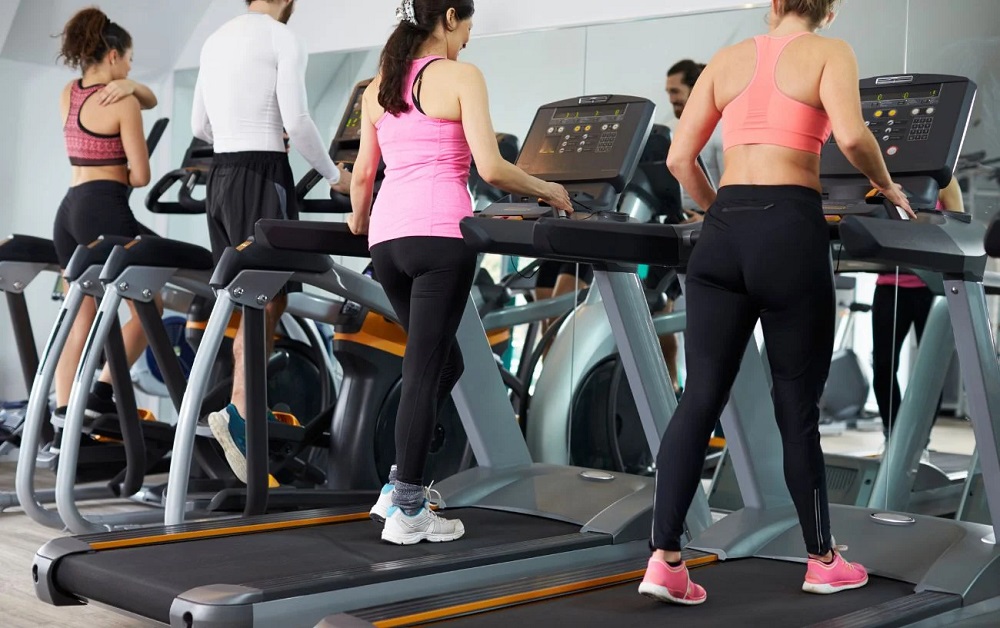
Walking into a commercial gym for the first time can feel overwhelming. Between rows of specialized machinery, free weights, and experienced lifters moving through complex routines, navigating the training floor requires more than just knowing how to do an exercise. Every shared fitness space operates on an unspoken social contract known as gym etiquette. These community standards exist to keep members safe, ensure equitable access to equipment, maintain sanitary conditions, and foster a welcoming, respectful environment for everyone. Understanding these fundamental rules before stepping onto the floor will help you feel confident, avoid common beginner mistakes, and instantly earn the respect of your fellow gym members.
Equipment Management and Space Awareness
The foundation of gym etiquette revolves around how you treat the shared equipment and how mindful you are of the physical space surrounding you.
-
Always Re-rack Your Weights: Leaving dumbbells on the floor, barbells loaded with plates, or weight stacks pinned at heavy loads is the single most common grievance in any gym. After completing an exercise, immediately return the weights to their designated racks. Strip barbell plates completely and store them on the appropriate pegs sorted by weight increment.
-
Avoid Hoarding Multiple Pieces of Gear: During peak gym hours, taking several sets of dumbbells, a flat bench, and a cable machine all at once creates unnecessary delays for others. If your program calls for supersets, stick to a single station or combine an equipment-based movement with a simple bodyweight exercise so other members can use the surrounding gear.
-
Step Away From the Dumbbell Rack to Lift: When you pick up a pair of dumbbells from the storage rack, take at least three to four steps back before initiating your set. Standing directly in front of the rack blocks other members from accessing the remaining weights and creates a safety hazard if you need to drop your weights during an emergency.
-
Never Drop Weights Unnecessarily: Modern bumper plates and rubber dumbbells are durable, but slamming weights down after every standard repetition creates disruptive noise, damages flooring, and risks injury from bouncing equipment. Control the descent of your repetitions. If you are lifting so heavy that you cannot lower the weight under control on routine sets, the weight is likely too heavy for your current strength level.
Hygiene, Sanitation, and Cleanliness Standards
A gym is a high-traffic environment where hundreds of individuals share the same contact surfaces every day. Upholding strict personal hygiene and cleanliness protects everyone against the spread of bacteria, viruses, and skin infections.
-
Wipe Down Benches, Handles, and Mats After Use: Most fitness facilities provide disinfectant spray bottles, disposable paper towels, or wet wipes throughout the floor. Always wipe down any surface your bare skin, sweat, or hands touched, including cardio machine consoles, barbell knurling, cable attachments, and padded bench covers.
-
Use a Personal Sweat Towel: Carrying a clean workout towel is an effective way to manage sweat during intense intervals or heavy lifting sessions. Placing a towel over padded seats provides an extra hygiene barrier and shows basic consideration for the next lifter.
-
Wear Clean, Appropriate Workout Attire: Always wear clean workout clothes, deodorant, and closed-toe athletic footwear. Strong body odor can quickly fill an enclosed room, while wearing sandals, work boots, or going barefoot outside of designated locker rooms poses serious safety and hygiene risks.
-
Avoid Heavy Perfumes and Colognes: While staying clean is essential, applying strong colognes, perfumes, or heavily scented body sprays right before a workout can trigger respiratory irritation or allergic reactions in individuals breathing heavily during intense cardio or lifting.
Communication and Sharing Etiquette
A commercial fitness center is a shared space. Knowing how to communicate clearly, politely, and respectfully with other members makes the entire gym flow smoothly.
-
Ask If a Machine or Station Is Free: If an unoccupied machine has a towel, water bottle, or phone placed nearby, do not assume it is abandoned. Look around and politely ask nearby members if anyone is currently using the station before adjusting the settings or moving the weight pins.
-
Understand the Work-In Concept: Working in means two or more individuals alternate using the same machine or barbell rack during each other’s rest intervals. If someone is performing long rest periods on a piece of equipment you need, you can politely ask if you can work in between their sets. If someone asks you the same question, accommodate them whenever possible.
-
Be Mindful of Phone Usage on Benches: Sitting on a piece of equipment while scrolling through social media, answering emails, or texting for five to ten minutes between sets creates massive bottlenecks across the gym floor. If you need to send an urgent message or take a call, step away from the equipment so someone else can use it.
-
Keep Phone Calls and Speaker Audio Off the Gym Floor: Always use headphones when listening to music, podcasts, or instructional videos. Never play audio through your device speakers, and take lengthy or loud phone conversations out to the front lobby or locker rooms to maintain a focused training atmosphere.
Safety and Spatial Respect
Safety is the absolute priority on any training floor. Heavy weights, swinging cables, and high-velocity movements mean that a moment of inattention can lead to serious injury.
-
Never Walk Through Someone’s Active Lifting Zone: Give active lifters ample clearance, especially during heavy squats, deadlifts, and overhead presses. Walking closely in front of, behind, or next to someone during a maximal attempt is dangerous and distracting. Always wait until the lifter completes their set and racks the weight before walking past.
-
Do Not Block Mirrors When Others Are Checking Form: Gym mirrors are not merely decorative; lifters use them to monitor joint alignment, spinal neutrality, and balance during technically demanding lifts. Avoid standing directly between an active lifter and the mirror they are using to check their technique.
-
Always Use Collars and Barbell Clips: When loading plates onto an Olympic barbell, secure them on both sides with spring clips or lock collars. Even experienced lifters can tilt slightly during a strenuous repetition; without collars, plates can slide off one end, causing the entire bar to flip violently and create severe hazards for anyone nearby.
-
Offer a Spot Only When Trained or Requested: If you see someone struggling with a lift, step in only if they are in clear physical danger. Unsolicited physical interference can disrupt a lifter’s deliberate rhythm or breath control. Conversely, if you need a spot on a heavy bench press or squat, do not hesitate to ask a fellow member or staff member for assistance, clearly stating how many repetitions you plan to attempt and whether you need help with the lift-off.
Summary Checklist for Everyday Gym Conduct
| Category | Recommended Action | Behavior to Avoid |
| Weight Management | Return all dumbbells and plates to their racks immediately | Leaving loaded barbells or dumbbells on the walking paths |
| Sanitation | Disinfect every contact surface and bench after your sets | Leaving sweat puddles on leather pads or cardio handles |
| Floor Presence | Take three steps back from the dumbbell rack before lifting | Standing directly against the rack to perform your sets |
| Communication | Politely ask to work in during long rest periods | Monopolizing multiple high-demand machines during rush hour |
| Media and Phones | Use personal headphones and keep phone calls in the lobby | Playing music out loud or occupying equipment while texting |
| Safety | Secure barbell plates with collars and give active lifters space | Walking through someone’s immediate lifting zone during a set |
Frequently Asked Questions
Is it acceptable to offer unsolicited exercise advice or form corrections to strangers?
Generally, no. Offering unsolicited form advice can make other members feel singled out, uncomfortable, or embarrassed. The only exception to this rule is if an individual is engaged in an immediate, life-threatening situation where catastrophic injury is imminent. Otherwise, let gym floor staff and certified personal trainers handle instructional feedback.
What should I do if someone is hoarding multiple pieces of equipment during peak hours?
Approach the individual politely and ask how many sets they have left, or ask if you can work in on one of the stations while they use the other. If the person refuses to share or becomes confrontational, avoid arguing on the floor and bring the issue to the attention of the gym staff or management team.
How long is an acceptable rest period between sets on high-demand equipment?
Standard rest periods typically range between sixty seconds and three minutes, depending on the training goal. While strength training often requires longer recovery intervals, you should remain engaged and ready for your next set. If you require four to five minutes of rest, allow other members to work in between your sets to keep the floor moving efficiently.
Are there rules regarding taking photos or recording videos inside a gym?
Most gyms allow members to film their own lifting sets to review exercise technique, provided the camera is positioned discreetly, does not block walkways, and does not capture other members without their knowledge or consent. Filming inside locker rooms, saunas, and restrooms is strictly prohibited at all times for privacy reasons.
What is the proper protocol if I accidentally break or damage a piece of gym equipment?
If a cable snaps, a pin jams, or a machine malfunctions during your workout, do not simply walk away and leave it for the next person to discover. Immediately notify the front desk or a floor attendant so staff can place an out-of-order sign on the machine and arrange for maintenance.
Can I leave my personal gym bag on the gym floor while I train?
In most commercial facilities, personal gym bags, backpacks, and large duffels must be stored in the locker room. Keeping large bags on the floor creates severe tripping hazards around heavy weights and clutters open walkways, especially during busy hours. Small items like a water bottle, towel, and lifting belt are completely acceptable to carry with you.
