

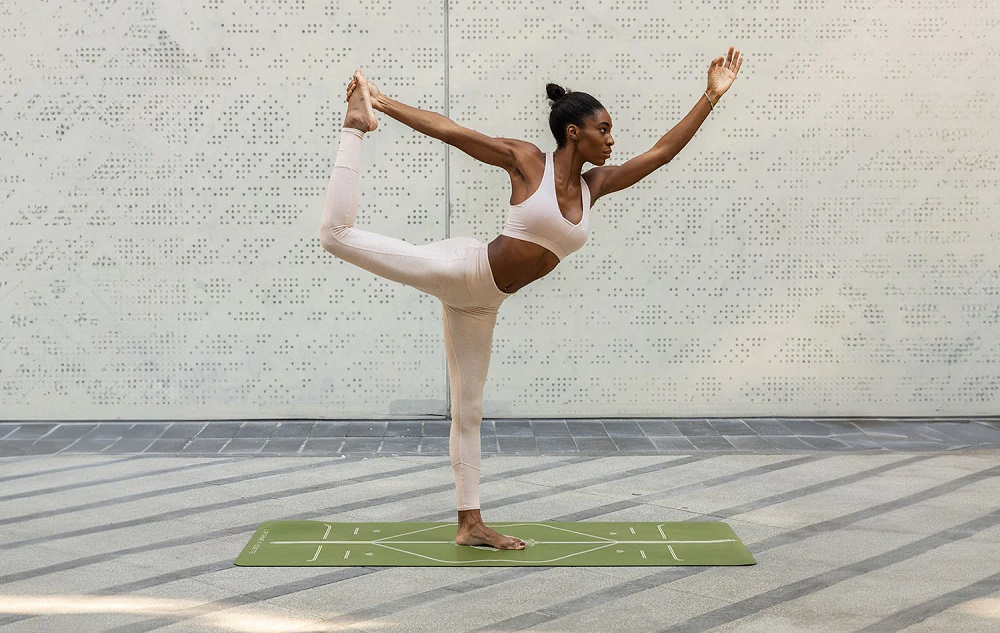
Balance and body awareness are fundamental components of human movement, yet they are frequently neglected until physical instability, clumsy coordination, or injury draws attention to their decline. Modern daily life encourages repetitive, static postures such as prolonged sitting, slouching over keyboards, and looking down at handheld devices. Over time, these habits dull our internal sensory feedback systems, weaken stabilizing muscles, and degrade our equilibrium.
Yoga offers a comprehensive, time-tested approach to restoring these essential faculties. Rather than merely stretching tight muscles or building isolated strength, yoga integrates conscious movement, focused breathing, and precise alignment. This holistic approach recalibrates the neuromuscular system, enhances joint stability, and sharpens our internal sense of where our body is positioned in space.
Understanding the Science of Balance and Proprioception
Human balance is an active, complex neuromuscular process regulated by three interconnected systems: the visual system, the vestibular system in the inner ear, and the proprioceptive system.
-
The Proprioceptive Network: Proprioception is often described as the sixth sense. It relies on sensory receptors called proprioceptors, located within muscles, tendons, ligaments, and joint capsules. These receptors continuously transmit signals to the central nervous system regarding joint angles, muscle tension, and limb positioning without needing visual confirmation.
-
The Vestibular System: Located within the inner ear, the vestibular apparatus detects head movements, changes in direction, and the pull of gravity, helping maintain an upright orientation.
-
The Visual System: The eyes provide external reference points to anchor spatial awareness and confirm body position relative to the surrounding environment.
Yoga directly trains this tri-part sensory network. Holding balancing postures forces the brain to process real-time feedback from the soles of the feet, the deep stabilizing muscles of the spine, and the inner ear, refining balance pathways and making automatic physical adjustments quicker and more efficient.
The Role of Interoception and Mindful Movement
While proprioception tracks where the body is in space, interoception is the internal awareness of physiological states, such as heartbeat, muscle tension, breath rate, and internal strain.
Sedentary lifestyles and chronic stress often disconnect us from these subtle bodily signals. Yoga bridges this gap through somatic awareness. By moving mindfully through sequences and synchronizing breath with physical transitions, practitioners learn to detect microscopic shifts in weight, subtle muscle compensations, and early signs of strain. This heightened awareness prevents overexertion, corrects postural imbalances before they cause pain, and fosters a profound sense of embodiment.
Key Physical Mechanisms Yoga Uses to Improve Stability
Yoga improves physical balance by developing several specific physiological qualities that work together during daily movement.
-
Strengthening Intrinsic Foot and Ankle Muscles: Most modern footwear constricts the toes and cushions the feet, weakening the small, intrinsic muscles of the arches and dulling plantar sensory feedback. Practicing yoga barefoot on a firm mat awakens the foot arches, spreads the metatarsals, and strengthens the stabilizers of the ankle joint.
-
Enhancing Core and Pelvic Stability: The core consists of more than just the surface abdominal muscles; it includes the transverse abdominis, multifidus, pelvic floor, and diaphragm. Yoga postures require continuous isometric engagement of this deep muscular cylinder, providing a steady base of support for the spine and pelvis.
-
Improving Joint Range of Motion and Symmetry: Muscle stiffness restricts the natural movement of the hips, spine, and ankles, forcing other joints to compensate awkwardly. Yoga addresses these bilateral asymmetries, ensuring that both sides of the body contribute equally to posture and locomotion.
-
Refining Neuromuscular Coordination: Transitioning smoothly between static holds and dynamic flows trains the motor cortex to recruit muscle fibers in balanced, efficient sequences, eliminating jerky movements and stabilizing the body against sudden shifts in center of gravity.
Essential Yoga Postures for Building Stability and Awareness
A well-rounded yoga practice incorporates both foundational grounding postures and single-leg balance challenges to train the nervous system progressively.
Mountain Pose (Tadasana)
Although Mountain Pose appears to be simple standing, it serves as the ultimate blueprint for structural alignment and neutral posture.
-
Stand with feet hip-width apart or with big toes touching and heels slightly separated.
-
Lift and spread the toes wide before laying them back down, distributing weight evenly across the four corners of each foot: the base of the big toe, the base of the pinky toe, the inner heel, and the outer heel.
-
Engage the quadriceps gently to lift the kneecaps, without locking the knees.
-
Draw the tailbone slightly downward, engage the lower abdomen, broaden the collarbones, and stack the ears directly over the shoulders.
-
Close your eyes or soften your gaze to shift your reliance from vision to deep proprioceptive sensation.
Tree Pose (Vrksasana)
Tree Pose challenges unilateral balance while opening the hip and demanding pelvic levelness.
-
From Mountain Pose, shift your weight smoothly onto the left foot, feeling the sole root firmly into the floor.
-
Bend the right knee, rotating the right hip outward, and place the sole of the right foot against the left inner ankle, calf, or inner thigh, avoiding direct pressure on the side of the knee joint.
-
Press the foot and the standing leg firmly into each other to create opposing stabilizing forces.
-
Bring your hands together at the center of the chest or extend them overhead.
-
Fix your gaze on a single unmoving point at eye level to steady your focus while your standing ankle makes micro-adjustments to maintain equilibrium.
Warrior Three (Virabhadrasana III)
Warrior Three is a powerful posture that strengthens the entire posterior chain while challenging spatial awareness in a horizontal plane.
-
Stand on one leg and hinge forward at the hips, keeping the spine long and neutral.
-
Extend the opposite leg straight back behind you, flexing the foot and pointing the toes toward the floor to keep the pelvis square.
-
Reach your arms forward along your ears or back alongside your torso.
-
Maintain a straight line of energy from the crown of your head through the heel of your extended leg.
-
Breathe steadily into the belly to stabilize the core while resisting the tendency of the torso to tilt or rotate outward.
Eagle Pose (Garudasana)
Eagle Pose compresses the joints, promotes circulation, and develops concentration through a narrow base of support.
-
Bend both knees slightly as if sitting down into a chair.
-
Lift your right leg and cross the right thigh tightly over the left thigh, hooking the right toes behind the left calf if mobility allows.
-
Cross your left arm over your right arm at the elbows, wrap the forearms around each other, and press the palms or backs of the hands together.
-
Squeeze the inner thighs together, lift the elbows to shoulder height, and draw the shoulders away from the ears.
-
Lower the hips while keeping the torso upright, challenging both balance and joint stability simultaneously.
Progressive Framework for Developing Balance in Yoga
Developing balance is a neuromuscular skill that adapts to progressive challenge. Practitioners can systematically increase difficulty as their stability improves.
| Training Stage | Focus Technique | Primary Sensory Adaptation | Example Practice Adjustment |
| Level 1: Grounding | Wide base of support on solid ground | Intrinsic foot activation and alignment | Practicing poses near a wall for light touch support |
| Level 2: Unilateral Holds | Single-leg standing postures | Proprioceptive feedback and ankle strength | Tree Pose or Standing Knee-to-Chest with fixed gaze |
| Level 3: Dynamic Transitions | Flowing between single-leg shapes | Motor control and kinetic chaining | Moving smoothly from Warrior One into Warrior Three |
| Level 4: Sensory Restriction | Closed-eye or moving gaze holds | Vestibular and deep interoceptive reliance | Holding Mountain Pose or Tree Pose with eyes closed |
Frequently Asked Questions
Why does balance feel noticeably more difficult on certain days compared to others?
Balance is sensitive to systemic physiological factors, including mental fatigue, sleep deprivation, stress levels, inner ear pressure changes, and physical muscle exhaustion. When your nervous system is tired, your brain processes sensory input from proprioceptors and the vestibular system more slowly, leading to delayed postural micro-adjustments and temporary instability.
How does breath regulation affect physical stability during difficult balancing poses?
Smooth, diaphragmatic breathing activates the parasympathetic nervous system, lowering muscle tension and reducing rapid heart rates. Holding your breath increases internal thoracic pressure and creates rigid muscle tightness, which makes it harder for your stabilizing muscles to make the fine, fluid adjustments necessary to stay balanced.
Can individuals with severe inner ear issues or vestibular disorders safely practice balance yoga?
Yes, but they should modify their practice by keeping a wide stance, practicing near a sturdy wall or chair for tactile feedback, and avoiding rapid head movements or inversions that can trigger vertigo. Over time, practicing yoga can help compensate for inner ear deficits by retraining visual and proprioceptive pathways.
Why do my ankles and feet wobble constantly when I stand on one leg?
Those wobbles are known as postural sway and represent healthy, normal neuromuscular activity. They occur as tiny muscle groups in the foot and ankle contract and relax rapidly in response to sensory feedback, actively keeping your center of mass over your base of support.
Does practicing yoga on a thick, soft mat make balancing harder or easier?
A very thick, soft mat makes balancing significantly harder because the compliant surface compresses unevenly beneath your feet, dampening sensory feedback from the soles and requiring greater muscular effort to stabilize the ankle. Practicing on a thin, dense mat or directly on a firm hardwood floor provides superior ground feedback for building stability.
At what age does natural balance begin to decline, and can yoga reverse that process?
Natural balance, motor neuron firing rates, and joint proprioception generally begin a gradual decline around age thirty, accelerating after age fifty if not regularly exercised. Consistent balance-focused physical activity like yoga maintains neuromuscular pathways, builds lower-body bone density, preserves reaction times, and significantly reverses functional balance decline.
