

Introduction
Hemorrhoids, also known as piles, are swollen veins in the rectal and anal area that can cause discomfort, pain, and bleeding. They are a common condition affecting many people at some point in their lives. While hemorrhoids can often be managed with home remedies and lifestyle changes, there are times when seeking medical attention is necessary. This blog will guide you on when you should consult a doctor for hemorrhoids, highlighting symptoms, potential complications, and the role of a specialist in your care.
Understanding Hemorrhoids
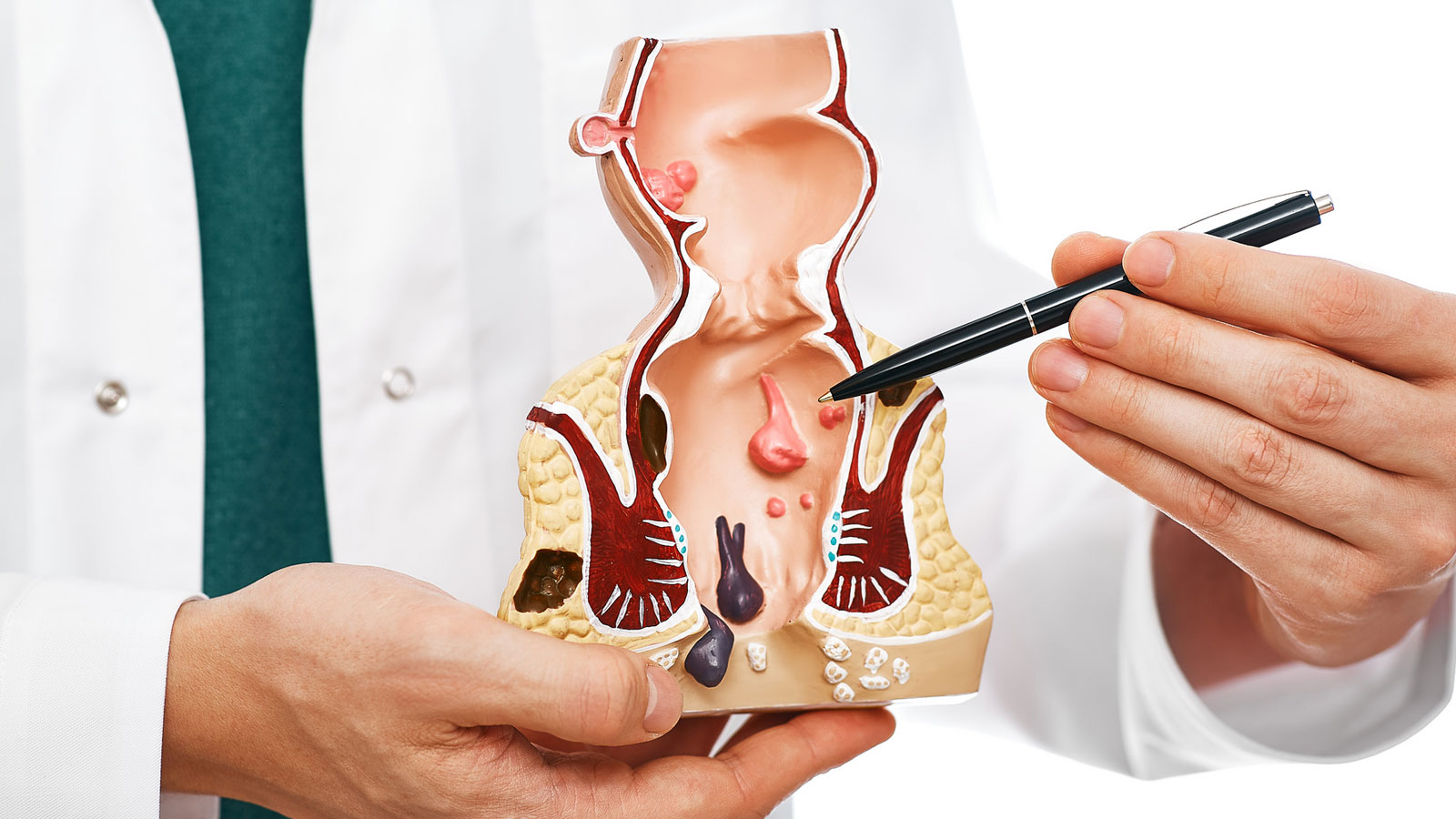
Hemorrhoids are classified into two main types based on their location:
- Internal Hemorrhoids: These occur inside the rectum and are usually not visible or palpable. They may cause bleeding during bowel movements but are often painless.
- External Hemorrhoids: These are located under the skin around the anus. They can be painful, swollen, and sometimes cause itching or bleeding.
Common Symptoms of Hemorrhoids
The symptoms of hemorrhoids can vary depending on their type and severity. Common symptoms include:
- Rectal Bleeding: Bright red blood on toilet paper, in the toilet bowl, or on the surface of stools.
- Pain and Discomfort: Particularly noticeable with external hemorrhoids, including pain during bowel movements or while sitting.
- Itching and Irritation: Itching around the anal area, which can be caused by inflammation or irritation.
- Swelling and Lumps: Swelling or lumps near the anus, which can be felt externally.
- Mucus Discharge: A small amount of mucus discharge from the rectum, which may accompany the discomfort.
When to Seek Medical Attention
While hemorrhoids can often be managed with over-the-counter treatments and lifestyle changes, there are specific situations when you should seek medical help:
1. Persistent or Severe Bleeding
If you experience rectal bleeding that is persistent, heavy, or does not improve with home treatment, it is important to consult a doctor. Persistent bleeding can indicate a more serious condition, such as a gastrointestinal issue or other rectal disorders.
2. Intense Pain or Discomfort
If you are experiencing severe pain or discomfort from hemorrhoids that does not improve with home remedies, it is essential to see a healthcare provider. Severe pain could be a sign of complications, such as thrombosed hemorrhoids (hemorrhoids with a blood clot).
3. Changes in Bowel Habits
Significant changes in bowel habits, such as prolonged constipation, diarrhea, or alternating between the two, should be evaluated by a doctor. These changes can exacerbate hemorrhoid symptoms and may indicate underlying gastrointestinal issues.
4. Non-Responsive to Home Treatments
If your symptoms do not improve with home treatments such as dietary changes, over-the-counter creams, or lifestyle modifications, it’s time to seek professional help. A doctor can provide a more comprehensive treatment plan, and if bowel habits, straining, or pelvic floor issues are part of the problem, you may also consider searching physical therapist near me to explore pelvic floor therapy as supportive care alongside medical treatment.
5. Suspicion of Other Conditions
If you experience symptoms that are not typical for hemorrhoids, such as significant weight loss, persistent abdominal pain, or a change in stool appearance (e.g., black or tarry stools), you should consult a doctor to rule out other potential conditions, including colorectal cancer.
6. Recurrent Hemorrhoids
If you find that your hemorrhoids are recurring despite treatment and lifestyle changes, it is important to seek medical advice. Persistent hemorrhoids may require more specialized treatments or interventions.
Diagnostic Evaluation
When you see a doctor for hemorrhoids, they will typically perform the following evaluations to determine the severity of the condition and to rule out other potential issues:
1. Medical History and Symptom Review
The doctor will review your medical history and discuss your symptoms in detail, including their duration, frequency, and any factors that exacerbate or relieve them.
2. Physical Examination
A physical examination, including an external inspection of the anal area, may be conducted to assess for visible hemorrhoids or other issues.
3. Digital Rectal Examination
A digital rectal examination involves the doctor inserting a gloved, lubricated finger into the rectum to check for internal hemorrhoids and to assess the rectal wall.
4. Anoscopy
An anoscopy is a procedure in which a small, tube-like instrument is inserted into the anus to allow the doctor to view the inside of the rectum and identify internal hemorrhoids or other abnormalities.
5. Colonoscopy
If there are concerns about other gastrointestinal issues or if you are experiencing symptoms that could indicate a more serious condition, a colonoscopy may be recommended. This procedure involves inserting a flexible tube with a camera into the colon to inspect the entire colon and rectum.
Treatment Options
Based on the diagnosis, the doctor may recommend various treatment options for hemorrhoids:
1. Lifestyle Modifications
Changes such as increasing fiber intake, drinking plenty of fluids, and avoiding prolonged sitting can help alleviate symptoms and prevent recurrence.
2. Over-the-Counter Treatments
Over-the-counter creams, ointments, and suppositories can provide relief from itching and discomfort. These products often contain ingredients like hydrocortisone or witch hazel.
3. Prescription Medications
For more severe symptoms, prescription medications may be required, including stronger anti-inflammatory creams or medications that target underlying issues.
4. Minimally Invasive Procedures
Several minimally invasive procedures can be used to treat hemorrhoids, including:
- Rubber Band Ligation: Involves placing a rubber band around the base of the hemorrhoid to cut off blood flow, causing it to shrink and fall off.
- Sclerotherapy: Involves injecting a chemical solution into the hemorrhoid to cause it to shrink.
- Infrared Coagulation: Uses infrared light to destroy the hemorrhoidal tissue.
5. Surgical Options
For severe or persistent hemorrhoids that do not respond to other treatments, surgical options such as hemorrhoidectomy (surgical removal of hemorrhoids) or stapled hemorrhoidopexy (using staples to reposition the hemorrhoids) may be considered.
Seeking Specialized Care
If you are dealing with hemorrhoids and need expert evaluation and treatment, consulting a gastroenterologist near me can provide specialized care. Gastroenterologists are trained to diagnose and treat a range of gastrointestinal conditions, including hemorrhoids. They can offer advanced treatment options and help you manage your condition effectively.
Conclusion
Hemorrhoids are a common condition that can cause significant discomfort and impact your quality of life. While many cases can be managed with home remedies and lifestyle changes, it is important to seek medical attention in certain situations. Persistent bleeding, severe pain, changes in bowel habits, and non-responsive symptoms are key indicators that you should consult a doctor. By understanding when to seek professional help and exploring treatment options, you can effectively manage hemorrhoids and improve your overall well-being. If you need specialized care, consider reaching out to a gastroenterologist near me for expert guidance and treatment.
